Dolomites Ice Loss: Army Defuses 250 WWI Bombs
Retreating glaciers in Italy’s eastern Alps have exposed hundreds of unexploded munitions from the 1915 to 1918 conflict, prompting a major military sweep.
By Brandon Miller ·
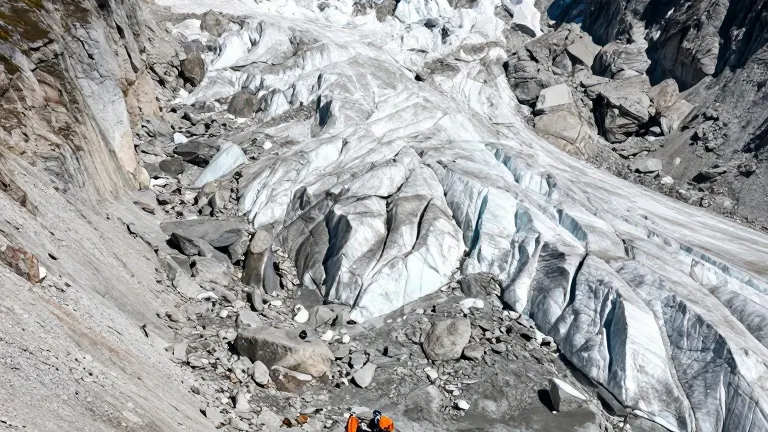
The Italian army’s Julia Alpine brigade defused 250 unexploded weapons this summer after they surfaced from melting glaciers in the Dolomites. The munitions included 18 Italian 75mm artillery shells and 37 French-made Thevetot mortar shells. These devices were originally supplied to the Italian royal army during the First World War.
The weapons emerged primarily near Canal San Bovo in the Primiero Valley, located in eastern Trentino. Hikers reported seeing the objects during the summer months, which triggered a wide search by soldiers. The military team swept high-altitude sites across the Trentino Alto Adige region to locate and neutralize the explosives.
The conflict, known as the White War, took place between 1915 and 1918. It involved fighting between Austro-Hungarian and Italian troops in cold, mountainous terrain. Stefano Morosini, a professor at the University of Bergamo and coordinator of heritage projects at Stelvio National Park, identified the melting ice as the direct cause. He stated that the artifacts had been preserved by the ice for more than a century.
Morosini noted that the number of emerging items has increased every summer in recent years. He warned that the objects are highly dangerous because many had not exploded when they were buried. The military advises hikers and mountaineers to never touch any explosive device they find. Reporters should notify police immediately upon discovery.
Glacier retreat in the region has accelerated over the last decade. In 2015, a wooden barracks dug into Mount Scorluzzo, a 3,095-metre peak, reappeared after the ice that sealed it for almost a century melted completely. Inside, soldiers had left beds, clothes, lanterns, newspapers, postcards, coins, and tinned food when the war ended in November 1918.
The White War is estimated to have claimed more than a million lives. Most soldiers died from avalanches, falls, or hypothermia rather than combat. Dozens of bodies have emerged from the ice over the past 15 years. In 2017, relatives buried an Italian soldier after identification documents were found with his body on Presena Glacier.
Morosini said intense summer heat has made access to the glaciers less safe. He cited the 2022 collapse of a large section of the Marmolada glacier, which killed 11 people. He described the retreat as rapid and visible to visitors. A museum dedicated to the relics is scheduled to open in Bormio in June 2027.
Source: The Guardian