Zeinab Faraj survives missile strike in Lebanon while colleague Amal Khalil dies
A drone attack and subsequent missile strike in the village of al-Tiri left one journalist trapped under rubble and another fatally injured.
By Brandon Miller ·
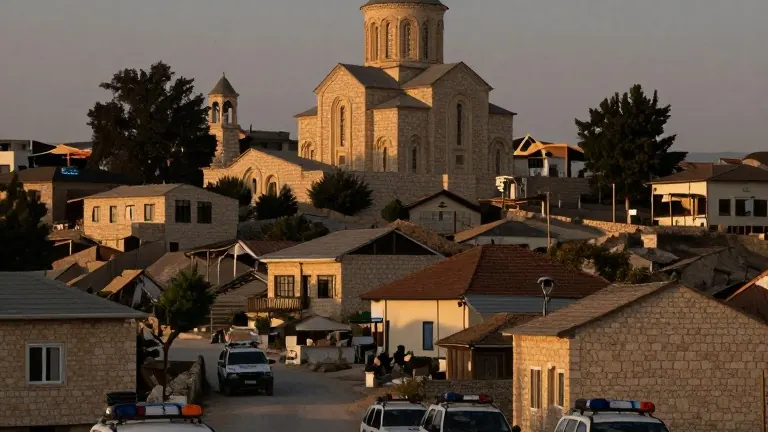
Zeinab Faraj, a 21-year-old photojournalist, was trapped under rubble in southern Lebanon after a missile struck the building where she was taking shelter. She survived the attack on 22 April, but her colleague Amal Khalil, a 42-year-old newspaper reporter, died approximately one hour later. The incident occurred in the village of al-Tiri, a location where residents had begun returning to assess the damage following a ceasefire agreed to by Israel and Lebanon in mid-April.
Faraj and Khalil were traveling with two men, municipal official Ali Nabil Bazzi and Mohammed Hourani, when the first missile hit the car carrying the men. Faraj stated that she heard Khalil screaming and saw the vehicle on fire before realizing the men were killed. She attempted to approach the wreckage to rescue Bazzi, who had planned to sign a marriage contract that evening. During this time, drones circled low overhead, causing both women to make frantic calls to emergency services for assistance.
Paramedics instructed Faraj and Khalil to return to their car because ambulances were blocked from reaching the site. As they attempted to enter the vehicle, a missile struck it, throwing them backward. Khalil wrapped her arms around Faraj as they sought cover in a nearby house. Faraj reported visible injuries to her colleague, including blood on her face, hand, and leg. While inside, Faraj crawled to a position to watch the road as a drone descended toward her, an experience she described as terrifying.
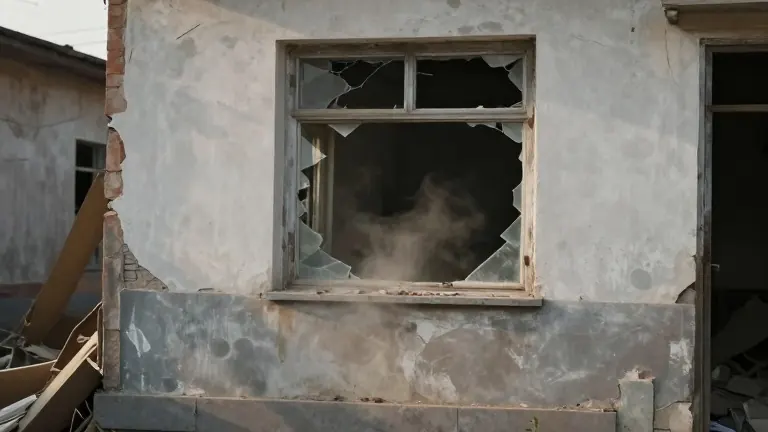
A second missile hit the building while the women were inside. Faraj lost consciousness and woke up to find herself crushed by a heavy weight in a dark space. A paramedic eventually reached her, holding her shoulders while a second worker cleared the debris. Faraj was pulled from the building as drones continued to circle and a stun grenade was dropped nearby. She was transported to a hospital where nurses eventually confirmed Khalil’s death.
The Israeli military stated that the strike targeted saboteurs violating the ceasefire. Human rights groups labeled the action a war crime, noting that the military had received repeated messages urging them to allow a rescue operation. A week prior to the attack, an Israeli spokesperson had labeled a video of Khalil as "terrorist media," and she had received death threats from Israeli numbers. Faraj is now preparing to return to university, though she continues to struggle with physical injuries and psychological symptoms.
Faraj has visible marks on her hand and face, and she currently limps due to her injuries. She wakes at night screaming and reacts to the sound of aircraft. She remains haunted by the image of Hourani lying on the ground after the initial strike, with his eyes open and turned toward her.
Source: The Guardian