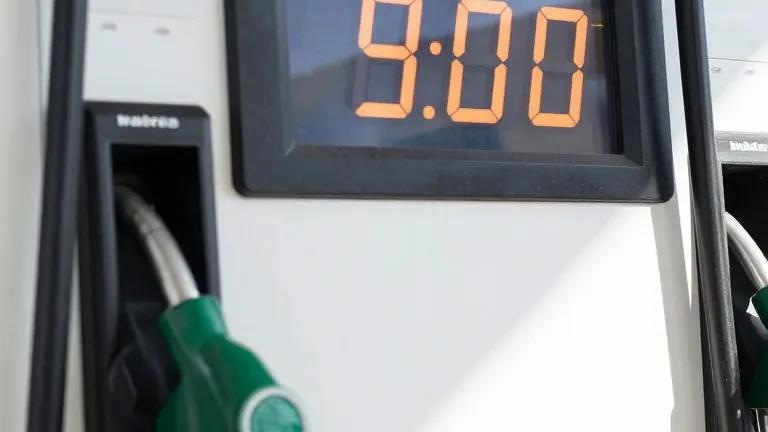
Winter Gas Reserves Hit Decade Low
Wholesale gas prices reached €97 as European storage levels fell to 75%, their lowest point in ten years.
By Ashley Roberts ·

Cold air moved across Europe on Monday, and the cost of heating followed. Wholesale gas prices climbed to €97 per megawatt-hour, a level traders had not seen since 2022. The spike reflects growing anxiety over how the continent will manage energy demands through the coming winter months.
The price jump coincided with a drop in storage levels across the region. European gas reserves are currently filled to only 75%, down from a seasonal average near 80%. This is the lowest fill rate recorded in more than a decade. The shortfall stems from two main factors: a slowdown in exports from Qatar and higher consumption during the summer months, which powered refrigeration and cooling systems.
The UK market mirrored the continental trend. The month-ahead gas contract rose by 4% to reach 240p per therm. This marks the highest level for British gas since December 2022, a period defined by the immediate aftermath of Russia’s full-scale invasion of Ukraine. Regulators in Britain have warned that the country faces some of the highest energy costs in Europe this winter. This reality is driven by a heavy reliance on imported gas, as the nation’s own storage capacity remains among the smallest in the region following decades of dependence on North Sea production.
Global oil markets also reacted to the situation in the Middle East. Reports emerged that the United States and Israel had drawn up plans for renewed strikes against Iran following the recent US midterm elections. These reports pushed the oil price to $117 per barrel on Friday. By Monday, the international Brent crude benchmark had retreated by about 2%, though it remained above $114 per barrel.
Financial data reveals the heavy cost of this energy dependency for the UK. According to the Office for National Statistics, the country paid a record £4 billion for power imports over the year ending in August. Half of that sum went to electricity imported from France. Additionally, the UK made near-record payments to fire up gas plants while wind and solar farms were paid to switch off due to bottlenecks in the grid infrastructure.
The economic pressure is now visible in household budgets. British energy bills are predicted to rise by 16% in January. For a typical household paying for both gas and electricity, this increase equates to an annual dual fuel bill of approximately £2,000. The numbers illustrate a direct link between geopolitical tension, supply chain adjustments, and the cost of living for millions of residents.
Stock markets showed a mixed but stable reaction to the energy news. The Stoxx Europe 600 index, which tracks the largest companies in Europe, rose by 0.3% in early Monday trading. The FTSE 100, which covers the largest companies in the UK, gained 0.4%. Investors appeared to weigh the higher energy costs against the slight dip in oil prices, resulting in modest gains across major European indices.
Source: The Guardian
More Business · Scam Watch · Report a business · Got a Story?